Quick answer
Asset and equipment financiers fund vehicles, machinery, technology and fit-outs, using the asset itself as the main security. Because the equipment can be repossessed and resold, they can be more relaxed about trading history or property than a bank. Structures include chattel mortgages, leases and hire purchase. They suit businesses buying income-producing gear that holds its value.
Key points
- The asset is the security, registered on the Personal Property Securities Register.
- Equipment with a strong resale market is easier to finance than specialised gear.
- Banks, non-banks, captive manufacturer financiers and specialists all compete here.
- Documents scale with the amount: smaller deals may need little more than ID, ABN and a quote.
- Security
- The asset itself
- Register
- PPSR
- Strength
- Less reliance on property
- Weakness
- Only funds the asset
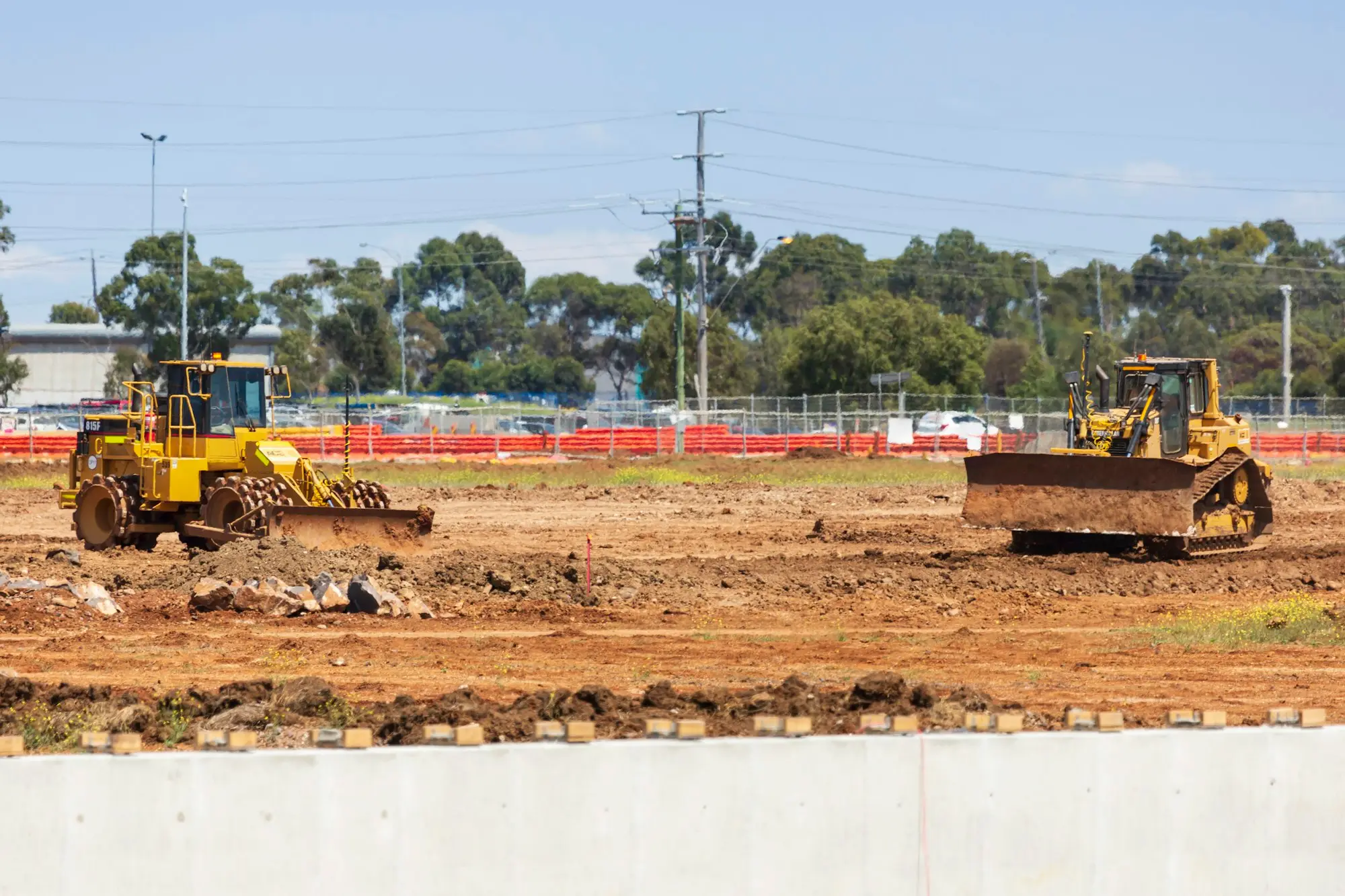
Asset financiers are the quiet workhorses of Australian business lending. Every second ute on a building site and most of the excavators in an earthmoving yard were probably financed this way. The reason is simple: when the thing you’re buying can secure the loan, the lender needs much less from you.
Who are the asset and equipment financiers?
Several kinds of lender compete in this space:
- Bank asset finance divisions, which fund vehicles and equipment for their business customers and others.
- Non-bank asset financiers, often more flexible on trading history and credit.
- Manufacturer and dealer financiers (sometimes called captive financiers), which fund a particular brand’s products.
- Specialist financiers for specific sectors: medical equipment, agricultural machinery, hospitality fit-outs, technology.
How does the asset act as security?
The financier registers its interest in the asset on the Personal Property Securities Register, the national register for security interests in personal property such as vehicles, machinery and equipment. If the loan isn’t repaid, it can recover and sell the asset. That’s why the asset’s resale market matters so much: a popular model of truck or excavator is far easier to finance than a one-off piece of custom machinery.
Which structure will the financier offer?
| Structure | Who owns it during the term | Commonly used for |
|---|---|---|
| Chattel mortgage | You, with the lender holding security | Vehicles and equipment for GST-registered businesses |
| Finance lease | The financier; you rent it | Equipment you may hand back or upgrade |
| Hire purchase | The financier until the final payment | Businesses wanting ownership at the end |
| Operating lease or rental | The financier | Technology and gear that dates quickly |
business.gov.au notes that leasing means renting from a company that owns the asset, while buying means you own it and can borrow to do so, and that GST credits and tax deductions may be available either way for business use. Your accountant should confirm the treatment that suits your business.
Who suits an asset financier?
- Businesses buying income-producing equipment: trades, transport, construction, agriculture, manufacturing, health.
- Newer businesses, because the asset reduces the lender’s reliance on a long trading history.
- Owners who don’t want to tie up property equity for a vehicle or machine.
- Businesses planning purchases around tax time; see our guide on the instant asset write-off and financing the purchase.
Not sure whether your purchase fits an asset financier or something else? Ask a specialist — it doesn’t affect your credit file.
What will they ask for?
For smaller, common assets, often just ID, ABN, a supplier quote or tax invoice, and a credit check once you apply, sometimes with bank statements. For larger amounts or specialised equipment, expect financial statements, tax returns and details of how the asset will earn money. Private sales and older assets may require an inspection and a PPSR search.
Why do asset financiers decline?
- The asset doesn’t hold value. Highly specialised, very old or hard-to-move gear.
- Price doesn’t match value. An inflated private-sale price raises questions.
- Credit problems. Recent defaults or judgements, especially for larger amounts.
- The business can’t show it can carry the repayments. Particularly for big-ticket items.
- The asset isn’t really for the business. A “work” vehicle with no plausible business use.
How does asset finance compare with other options?
A property-secured loan can fund equipment too, but it ties your home or premises to a depreciating asset. An unsecured online loan is faster to arrange for small amounts but usually costs more and runs a shorter term. For most income-producing equipment, asset finance is the natural home. Our page on who lends for equipment and vehicles compares these routes side by side.
Which questions should you ask an asset financier?
- What deposit or trade-in do you need for this asset and its age?
- Is a balloon or residual available, and what will it be in dollars?
- Can repayments be monthly, or timed to my seasonal income?
- Do you fund private sales or auction purchases, and what checks will you do?
- What does it cost to pay the contract out early or upgrade?
- Will you register security only over this asset, or over other business assets too?
The last question matters more than most owners realise. A financier that registers a broad security interest can make future borrowing harder.
How do repayments usually work?
Most asset finance runs on fixed monthly repayments over a set term, often with an option to add a balloon (a lump sum at the end) to reduce the regular repayment. Some financiers offer seasonal repayment schedules for agricultural and tourism businesses, or a deferred first repayment so the machine is earning before payments start. Ask what’s available rather than assuming the standard schedule is the only one.
Quick checklist before you approach an asset financier
- A written quote or tax invoice showing make, model, year and price.
- Your deposit or trade-in value, if any.
- ABN, GST registration and ID for each director or the sole trader.
- Recent bank statements for larger amounts.
- For private sales: the seller’s proof of ownership and a PPSR search.
Buying equipment soon?
Tell us what you’re buying, roughly what it costs and how long you’ve been trading in a 60-second enquiry. A specialist will tell you whether an asset financier, your bank or another lender type is the better fit and what you’ll need ready. No credit check to ask, no blasting your details to every financier in town, and accurate answers mean we can line up the right structure first time.
Frequently asked questions
What can I finance with an equipment financier?
Vehicles, trucks and trailers, earthmoving and agricultural machinery, manufacturing and medical equipment, technology and, with some lenders, fit-outs. Assets with an active second-hand market are the easiest to fund.
Do equipment financiers need two years of financials?
Not always. For smaller amounts many lend on ID, ABN, a supplier invoice and a clean credit history, sometimes with bank statements. Larger or specialised deals need fuller financials.
What's the difference between a chattel mortgage and a lease?
With a chattel mortgage you own the asset from the start and the lender takes security over it. With a lease, the financier owns the asset and you pay to use it, with options at the end. GST and tax treatment differ, so talk to your accountant.
Can I finance second-hand equipment?
Usually, especially from dealers, though private sales and older equipment may need more checking. Lenders may want an inspection or valuation and a PPSR search to make sure no one else has a security interest.
What happens if I want to upgrade before the term ends?
You can usually pay out the contract and refinance with the new asset, but check payout figures and any early termination costs first.